
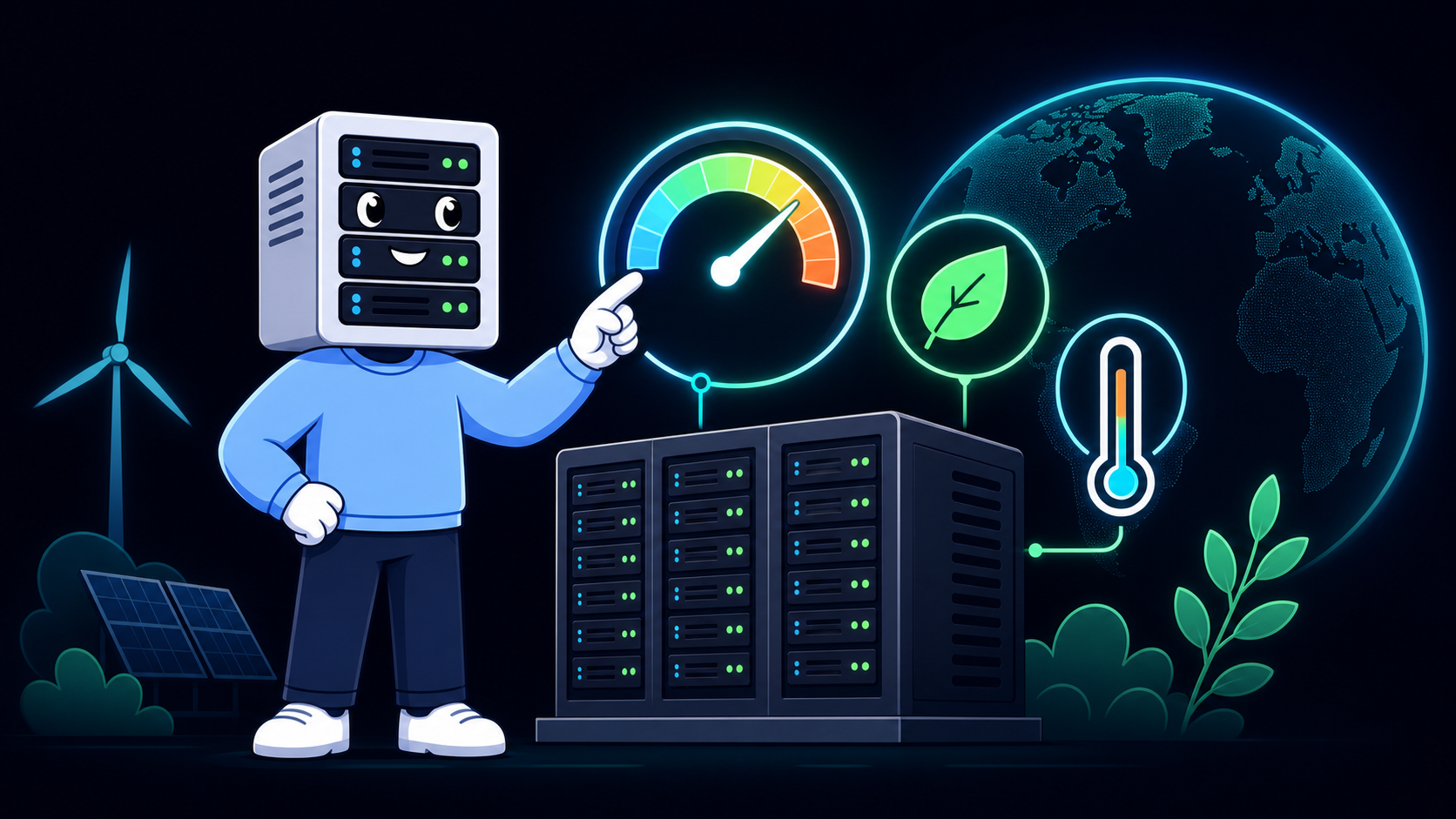
Energy demand is becoming visible
The International Energy Agency estimates that data centers consumed around 415 TWh in 2024, about 1.5% of global electricity consumption, with fast growth in recent years. AI adds pressure through model training, inference, agents, retrieval and massive query volume.
The problem is also local
A data center can be efficient globally while creating local constraints: grid connection, water availability, heat, noise, social acceptance and energy mix. The climate debate is not simply cloud versus local; it is about sizing, placing and powering AI workloads responsibly.
How private inference can help
OPA does not claim to remove AI’s energy impact. But properly sized local infrastructure can align capacity with real need, avoid unnecessary calls, choose the available energy strategy and make consumption visible. Stable internal load can be measured and optimized more directly than scattered cloud usage.
Energy questions to ask
- which AI use cases are truly recurring;
- what server utilization is expected;
- what energy source powers inference;
- which models are sufficient without over-sizing;
- which tasks can be cached or scheduled.
Conclusion
The climate challenge of AI requires moving out of abstraction. OPA makes part of inference visible, measurable and governable at company level.
Size controlled AI infrastructureSources: IEA, Energy demand from AI, IEA, Energy and AI executive summary, Axios on Google AI energy and emissions.