
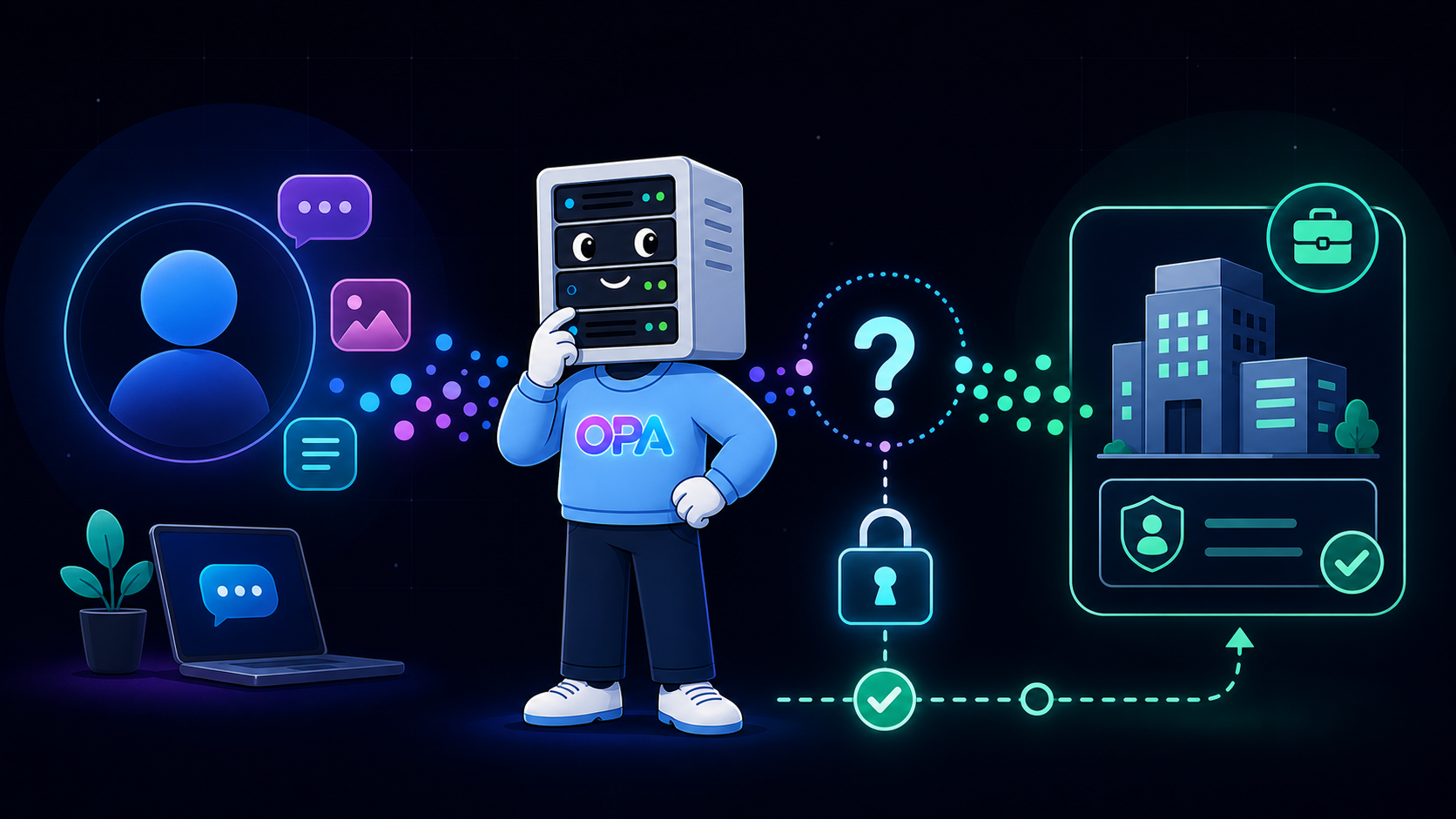
Who controls the contract and settings?
With personal accounts, the company may not control retention settings, contract terms, traceability, user identity or account removal. Enterprise licenses exist to address some of this: central administration, privacy settings, security controls, access management and more appropriate contractual commitments.
Enterprise plans reduce risk, but governance still matters
OpenAI states that data from Business, Enterprise, Edu and API products is not used to train models by default. That distinction matters. But an enterprise license does not decide which data can be pasted, who may connect AI to internal documents, or how generated answers are reused in business workflows.
Questions to ask before scaling
- are users working through personal or professional accounts;
- are prompts and answers logged;
- which data categories are forbidden;
- who may connect AI to internal documents;
- how are departing users disabled;
- what commitments exist around training, retention and support.
The role of private infrastructure
OPA adds a complementary option: run sensitive use cases on private infrastructure. Enterprise SaaS accounts can remain useful, while strategic documents, internal workflows and sensitive knowledge bases can be processed locally under company rules.
Conclusion
The real question is not only whether the tool is trustworthy. It is whether the company truly controls usage, data and access. OPA helps recover that control for sensitive workloads.
Define an internal AI policySources: OpenAI Enterprise Privacy, OpenAI data usage policy, Cyberhaven on enterprise generative AI risks.