Tokens change budgeting
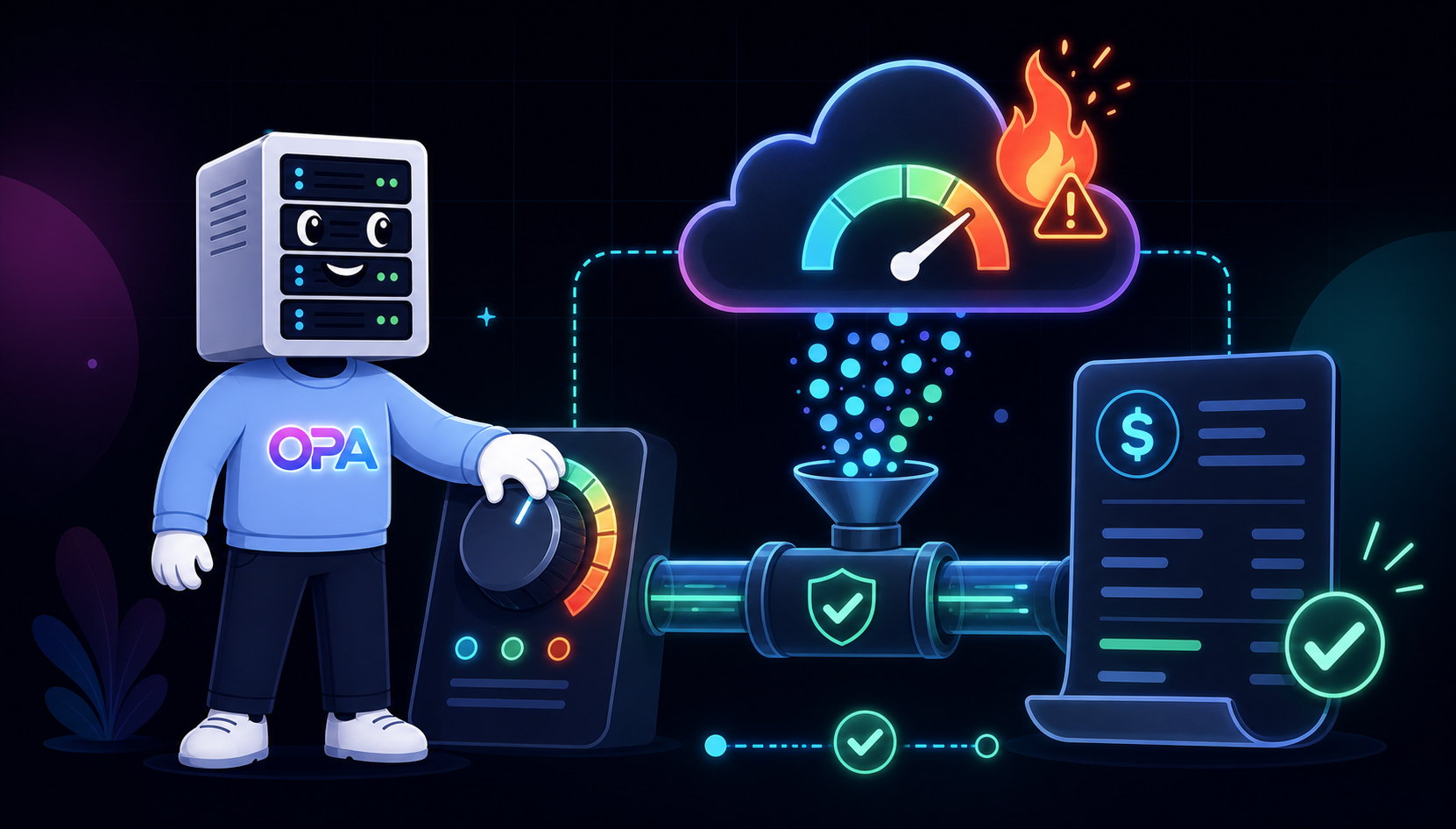
A classic SaaS license is predictable. A token-based AI bill follows user behavior, agent behavior and code behavior. If an assistant summarizes long documents, if an agent loops, if a coding tool retries calls, or if an API key is poorly protected, consumption can rise quickly.
Public examples show the risk
Specialized press reported that Accenture asked some employees to reduce non-essential AI usage amid rapidly rising token spend. Recent coverage also cites companies such as Uber and Microsoft putting guardrails on some AI development tools. An extreme case attributed to an unnamed enterprise described a reported 500 million dollar Claude bill in one month after insufficient limits.
These examples are market signals. The issue is not that AI is bad; the issue is that an unbounded variable cost model can surprise even mature organizations.
Why the surprise happens
- long prompts increase input tokens;
- long answers increase output tokens;
- agents repeat invisible steps;
- coding and RAG tools multiply calls;
- finance teams see the spend after the fact.
Why OPA is a response
OPA reduces the risk by moving recurring workloads onto private AI infrastructure. Cost becomes tied to known server capacity instead of an open-ended token meter. Internal assistants, RAG, business workflows and some agentic workloads can run locally with quotas, logs and visibility.
Conclusion
Cloud burning happens when AI reaches production without a clear cost model. OPA turns recurring AI usage into controlled capacity.
Evaluate cloud burning riskSources: ITPro on Accenture token spend, Yahoo Finance on the reported Claude bill, GAP on runaway token costs.