
Generative artificial intelligence is gradually becoming part of everyday business processes. It summarizes documents, assists teams, analyzes data and makes internal knowledge easier to access. Yet every interaction relies on a unit of consumption that is often difficult to anticipate: the token.
A bill that grows with every use
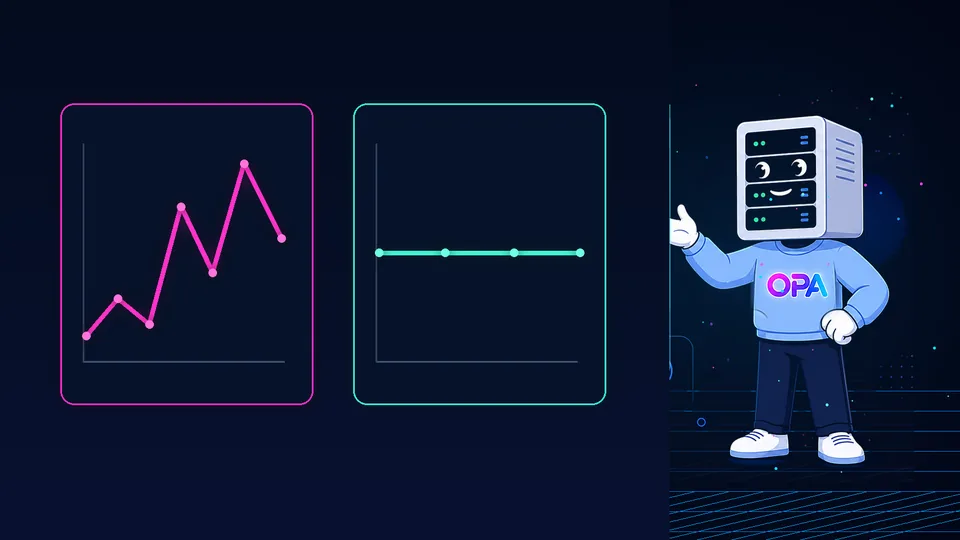
In an AI service billed by usage, every request has a cost. That cost depends on document length, user numbers, the selected model and the volume of generated responses. While usage remains experimental, the bill may appear manageable. Once AI becomes a production tool, however, this variable expense makes financial planning more difficult.
The issue is not only the price of an individual token. It is the lack of predictability. A new team adopting the tool, a larger document-processing workload or an automation running thousands of times can materially change the monthly bill. The company then faces a paradox: the more value AI creates and the more widely it is adopted, the harder its cost becomes to control.
Moving from consumption to capacity
Running open models locally offers a different economic model. Instead of continuously purchasing compute units from an external provider, the company invests in computing capacity it controls. The main cost then shifts to known infrastructure: server, accelerator, storage, electricity, maintenance and depreciation.
This transition does not make artificial intelligence free. It can, however, replace an expense directly linked to each request with a much more stable budget. Once the infrastructure has been sized, its cost changes little whether it handles ten thousand or one hundred thousand interactions, as long as capacity is not exceeded. Additional usage therefore stops creating an automatic additional billing line.
Making the budget measurable and predictable
For finance teams, this change improves visibility. The investment can be depreciated over a defined period, energy costs can be measured and maintenance can be included in the budget. Teams gain a predictable envelope instead of relying on abstract consumption whose final amount is only known at the end of the month.
This approach still requires serious capacity planning. Concurrent users, model sizes, expected response times and activity peaks must be assessed before investing. The objective is not to oversize the infrastructure, but to build capacity that matches real usage and its likely development.
Keeping room for flexibility
A hybrid architecture can preserve this control. Frequent, sensitive or predictable workloads run locally, while exceptional requirements may still use an external service occasionally. The cloud then becomes a complementary resource rather than a permanent dependency.
Turning AI into a controlled asset
Turning token bills into a fixed infrastructure cost is more than a technical optimization. It is a financial governance decision. With properly sized private infrastructure, AI gradually stops being unpredictable consumption and becomes a measurable, durable and controlled business asset.
Assess your inference costsTom Cheniaux - rephrased using AI